
In order for an interface to work best there needs to be a perfect balance of human-computer interaction. According the Brenda Laurel a conversation is formed by users and their computers, which is performed on the computer screen. She believes that the “dialogue is not just linearized”, but instead the conversation between humans and computers is based on a “common ground” (Laurel 3).
The idea of common ground is difficult for me to think about. I’ve never really thought in much detail about the interaction between me and my computer because when I’m doing something on my computer it just happens passively. I’m sure many other users think the same way. Laurel gives an example of this common ground conversation between human and computers being similar to playing a duet or waltzing. Both the computer and the human being have to “coordinate both the content and the process of what they are doing” (Laurel 3).
Laurel points out that both the computer and the user are essential in order for anything to work properly. This made me question what would happen if a computer was thinking and acting all on it's own without us. For example, if the computer could work entirely on it’s own without humans (other than them building the computer of course) then it would be a lot like the movie iRobot.
 In the movie, the robots are designed to think on their own based off of the three laws in their programing, but by the end of the movie the robots attempt to take over the city because they believe they know what’s best for the human beings and there is no conversation happening between the two beings. Yes, iRobot may be a little far fetched and you could say computers thinking on their own may not result in something so drastic, but I think it proves the point that human-computer interaction needs to be a give and take and that it cannot just be one or the other.

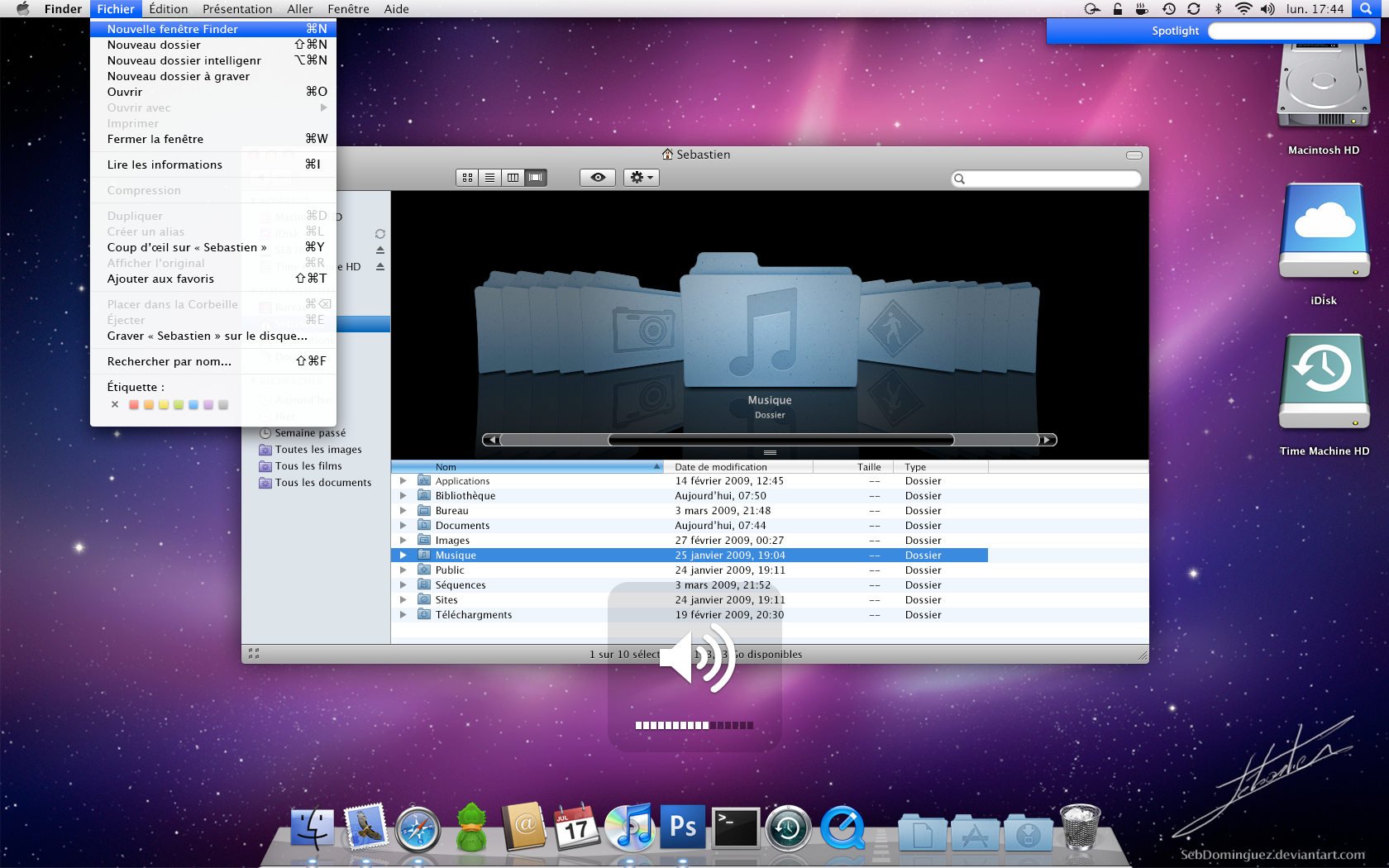
Today computer interfaces like Macintosh use metaphors to make their displays user-friendly and the human-computer interactions easier for the user. But Laurel points out it that in order for computers and humans to have this type of common ground interaction the creators need to keep in mind the style or design of the interface they’re creating and how a the human mind works.
The idea that the best interface has a well planned design reminds me of last week’s reading. If this idea was true, according to last week’s reading, Mac would be the best interface for users, because Neal Stephenson makes it clear the Macintosh design ranks higher than a PC.
Here is a picture of the Macintosh interface: 
Here is the newest Windows 8 interface:


I believe the new Windows 8 interface is actually much improved compared to the other old Windows designs. The creators may have realized that design is very important to having a user friendly interface. I have personally never used Windows 8 so I don’t know if the way it works is sensible, but if they took into mind the way the human mind thinks while on the computer, then it may be a good interface according the Laurel.
Thinking about the way the human mind works and how the design of an interface effects the user was not something I’ve ever considered before, but after reading this chapter of Laurel’s book I may think more about what type of conversation that is going on between me and my computer.

No comments:
Post a Comment